Legislative Accomplishments
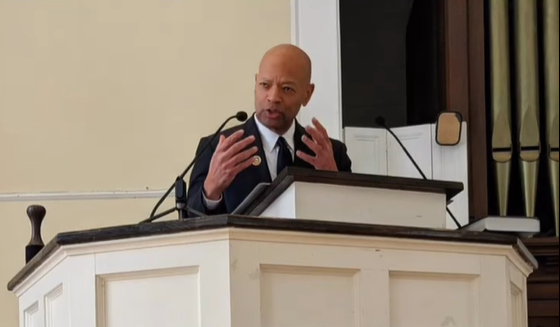
In his first term as senator, Joe Major has already achieved significant legislative wins for the Windsor County residents and all Vermonters.


Tax Breaks for Care-Givers
S.51 (Act 71)
https://legislature.vermont.gov/bill/status/2026/S.51
Vermont S.51 is a meaningful piece of legislation for unpaid family caregivers. The bill creates a refundable Vermont income tax credit of up to $2,500 per year for residents who provide at least 20 hours per week of uncompensated care to a family member with a medically diagnosed disability or health condition who needs help with daily activities. This directly addresses a well-documented financial burden: the bill's own findings cite research showing that the lifetime employment-related costs to women of providing unpaid family care average around $295,000, and that the majority of caregivers who left the workforce early would have stayed longer had they had access to financial support. By making the credit refundable, it benefits even lower-income caregivers who owe little or no income tax — and by applying it retroactively to January 1, 2025, it provides immediate relief rather than making caregivers wait. In short, S.51 offers modest but meaningful financial recognition of the enormous and often invisible economic sacrifice that unpaid family caregivers make every day.
medical debt relief and excluding medical debt from credit reports
S.27 (Act 21)
https://legislature.vermont.gov/bill/status/2026/S.27
Vermont's Act 21 is a meaningful win for residents struggling with medical debt on two fronts. It appropriates $1 million to the State Treasurer to contract with a nonprofit that will actually purchase and cancel medical debts for Vermonters — targeting those with household incomes at or below 400% of the federal poverty level, or anyone whose medical debt represents 5% or more of their household income. Just as importantly, it prohibits credit reporting agencies from including medical debt in consumer credit files, and bars large health care facilities and debt collectors from reporting medical debts to those agencies in the first place — meaning that even people whose debts aren't directly relieved by the fund can stop worrying that a hospital bill will damage their credit score and limit their ability to rent housing, get a loan, or find employment.
Protecting Minors’ Privacy on Social Media
S.69 (Act 63)
https://legislature.vermont.gov/bill/status/2026/S.69
Vermont's Act 63, the Age-Appropriate Design Code Act, protects minors by imposing a legally enforceable duty of care on online platforms likely to be accessed by users under 18. Covered businesses must configure all default privacy settings to the highest level of protection for minors, including blocking unknown adults from viewing a minor's account, posts, or location, and preventing unsolicited direct messages from adults. Platforms are prohibited from collecting or retaining personal data beyond what is strictly necessary for the service the minor is actively using, and they cannot repurpose that data for other ends. The law also forbids design practices that lead to compulsive use or that cause reasonably foreseeable emotional distress, and it bars push notifications to minors between midnight and 6 a.m. Platforms must be transparent about how algorithmic recommendation systems use minors' data, and minors have the right to have their accounts deleted within 15 days of requesting it. Violations are treated as unfair and deceptive trade practices enforceable by the Vermont Attorney General, giving the law real teeth.
provide payments for farm and forestry operation losses due to weather conditions
S.60 (Act 78)
https://legislature.vermont.gov/bill/status/2026/S.60
Act 78, signed into law on March 26, 2026 and taking effect July 1, 2026, establishes the Farm and Forestry Operations Security Special Fund — a permanent, dedicated source of financial relief for Vermont farmers and forestry operations hit by weather disasters. The law directly responds to a recognized gap: existing state and federal programs were difficult to access, administratively burdensome, and not equitably distributed to small- and medium-scale operators, and federal crop insurance was poorly suited to Vermont's smaller, more diversified farms. The new fund addresses this by offering reimbursement of up to 50% of uninsured or uncovered losses — covering everything from lost crop income and livestock costs to infrastructure repairs and logging road damage — with a streamlined application process, a 15-day decision timeline, and awards up to $150,000 per operation per year. A Review Board that includes actual farmers and forestry operators will oversee applications, and the fund is designed to remain open and continuously available rather than requiring a declared disaster to trigger relief.
Require Governor’s signature before any state or local police agency Can enter into an agreement with federal immigration authorities
S.44 (Act 28)
https://legislature.vermont.gov/bill/status/2026/S.44
Vermont law already required the Governor to personally sign off before any state or local police agency could enter into an agreement with federal immigration authorities. There used to be an exception that let agencies bypass that approval during a state or national emergency. This act removes that exception — so now the Governor's approval is always required, no matter what.
Transforming Vermont’s career technical education system
S.313 (Pending governor’s signature)
https://legislature.vermont.gov/bill/status/2026/S.313
S.313 aims to modernize Vermont's career technical education system by ensuring every high school student — regardless of geography or background — has access to hands-on, career-focused learning that bridges education and workforce readiness. It would expand CTE (Career Technical Education) access starting in middle school, remove barriers like transportation and scheduling conflicts, introduce flexible and hybrid delivery models, align programs with Vermont's actual labor market needs, create student-centered funding that encourages rather than discourages participation, and strengthen adult continuing education pathways — all with the goal of preparing Vermont students for careers, further education, or military service while addressing the state's growing workforce skills gap.